Malaysian breakfast culture: what UNESCO recognition means
Nasi lemak, roti canai and teh tarik are part of the story. So are the skills, routines and shared tables that keep a breakfast culture alive.
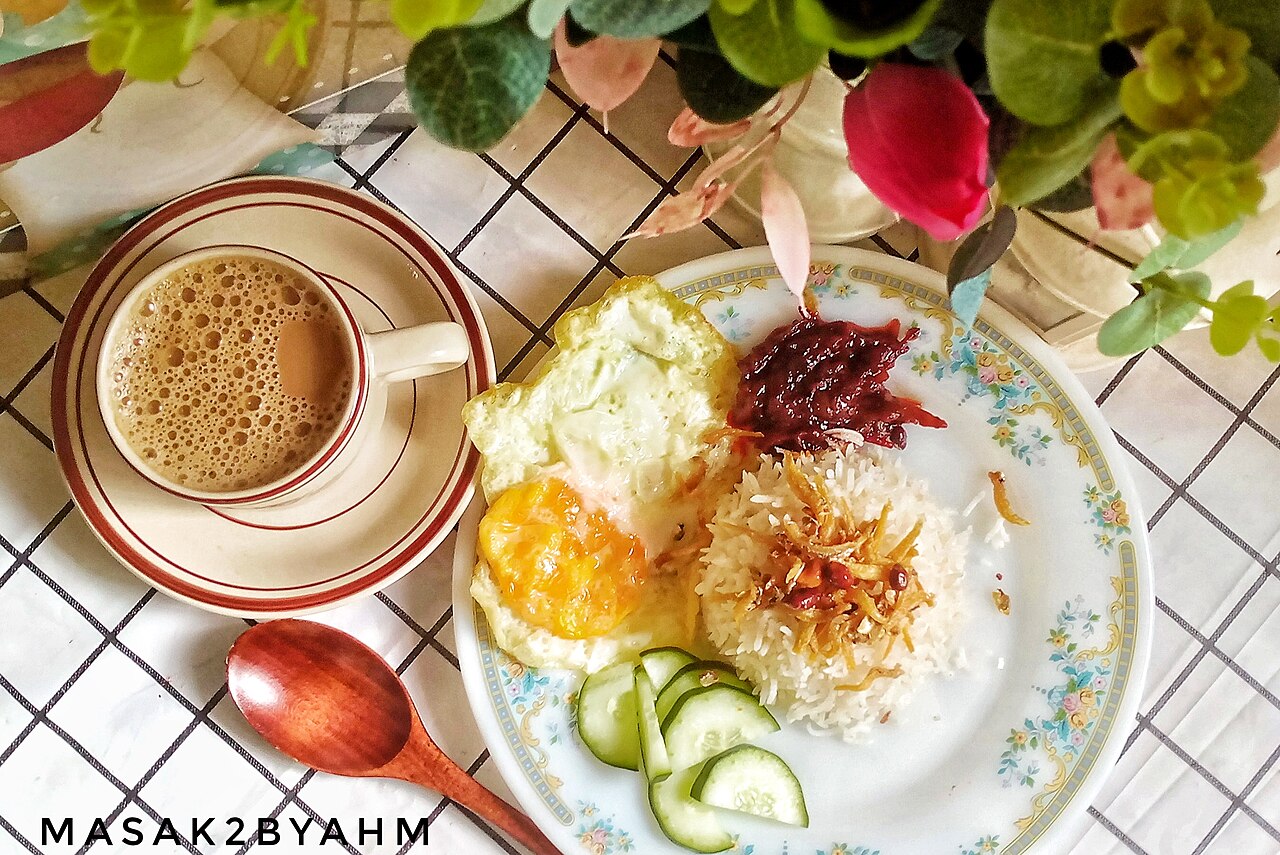
Photo: Ahmsweet / Nasi Lemak Sambal Bilis (Wikimedia Commons) / CC BY-SA 4.0. Wikimedia thumbnail; cards use a display crop; no retouching; original visible creator mark retained. The photograph remains available under its linked licence.
In 2024, UNESCO inscribed Malaysia’s breakfast culture on the Representative List of the Intangible Cultural Heritage of Humanity. Malaysia’s Ministry of Tourism, Arts and Culture announced the recognition on 5 December 2024. This is a cultural explainer about that recognition, not a new award announcement.
The important word is culture. UNESCO’s description places the morning meal alongside the act of spending time together. It names nasi lemak, roti canai and teh tarik, while describing a shared practice involving cooks and diners across communities, in both public and private spaces.
Look at the making, as well as the meal
A dish can be described through ingredients. A food practice also raises questions about how skills are learned, who does the work and how people make time for it. UNESCO’s account highlights the transmission of breakfast traditions between generations and the way people from different backgrounds participate in them.
That gives us a useful approach to exploring breakfast: pay attention to the work around the plate. If a cook is willing to talk, ask how they learned, what a beginner finds difficult and which parts of the process need practice. These questions invite a specific account rather than asking one person to speak for a whole community.
A familiar name need not mean an identical experience
When comparing two breakfasts, describe what you can observe. Note the accompaniments, serving style and words the maker uses. Ask where their version comes from before assigning it to a region or tradition. If someone describes a family method, attribute it to that person instead of presenting it as the rule for everyone.
The same care matters when writing about the past. One cook’s memory is valuable as a personal account; a wider historical claim needs additional sources. A short visit or a photograph cannot settle a dish’s origin.
How to explore without turning people into scenery
- Choose a good moment. Order first and avoid interrupting a busy service to ask for a demonstration.
- Ask before recording. Permission to buy food does not establish permission to film the person making it.
- Keep names accurate. Check how a person wants their name and dish written before sharing a caption.
- Leave room for difference. Describe the version you encountered without declaring other versions wrong.
Bring the question back to your own table
Ask someone who taught them to prepare a familiar breakfast, or which routine they would like the next generation to learn. Keep their words attached to their name if they agree to be quoted. That kind of careful record can add a human story to the dish without pretending to explain an entire national tradition.
For a kitchen view of dough handling, watch our Roti Canai studio film. The film is separate from this research and is not presented as evidence for the heritage listing.
Sources & reading
Sources checked on 5 November 2026. Links support the specific facts attributed to them; questions and reading examples are our editorial suggestions.
- UNESCO: Breakfast culture in Malaysia, element 02113
- MOTAC: official recognition announcement, 5 December 2024
- Bernama: contemporary report, 5 December 2024
Spotted an error? Tell our team with the article title and supporting details.